


THE LANGUAGE OF META-CULT CINEMA
Film and Video programs are efforts at communicating and just like speaking English, tapping out Morse code, or waving semaphores. There is a whole language that can be discovered including words, phrases, grammar, punctuation, rules, and common practices. This language is called Cinematic Language. It is the combination of methods and skills that filmmakers choose to convey the central message and the main ideas of the story that they are trying to tell through their films. Films of different genres exhibit different cinematic languages. Cult films also manifest distinct cinematic language and Mise en Scene.
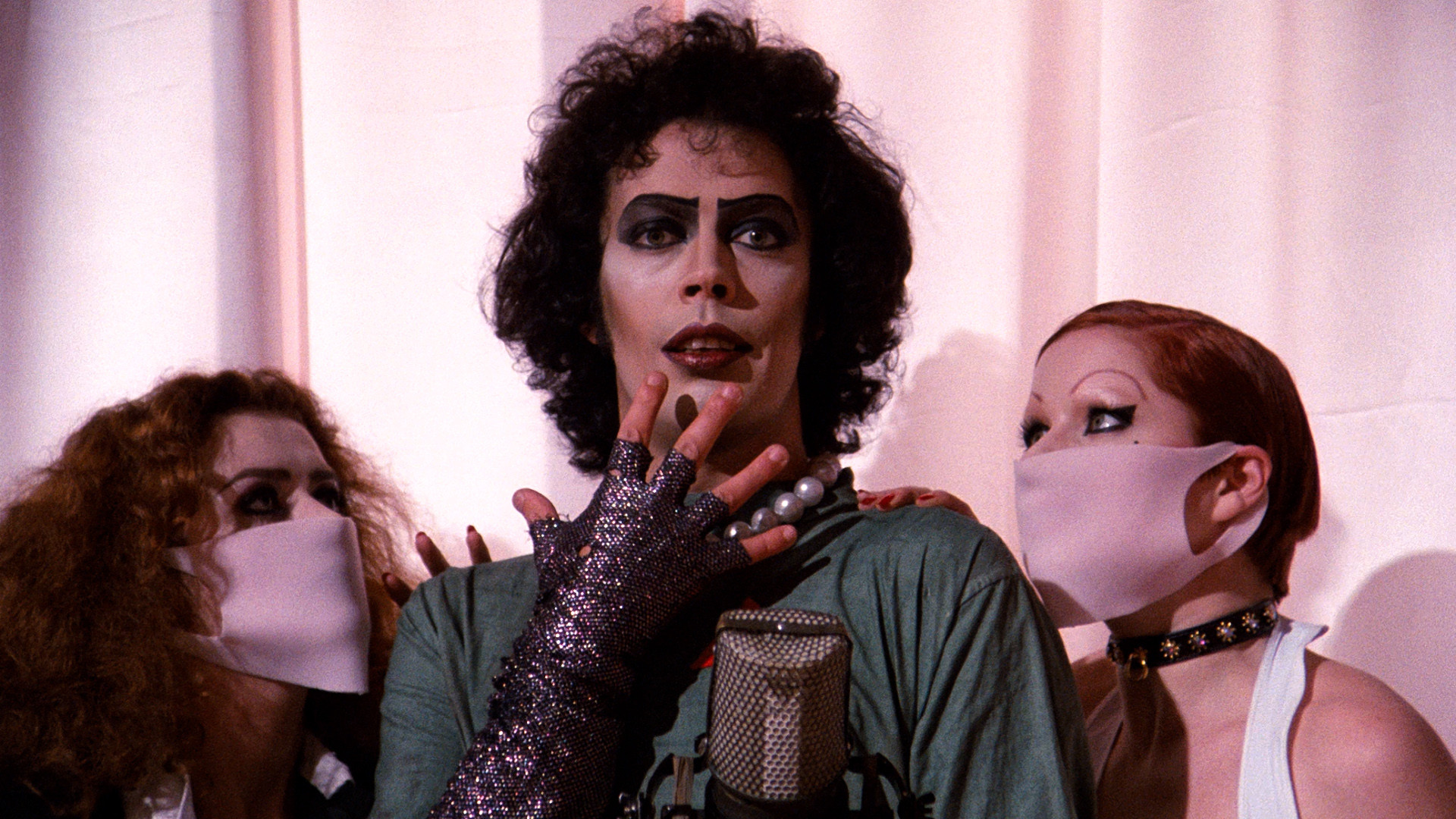
Meta-culture is crucial in aiding the circulation of cultural objects: it can, for example, draw attention to artworks and help overcome the forces of dissipation to which culture moving through the world is subject. Similarly, we can think of the idea of “meta cult” as not only related to the discourse that frames a particular work as a cult but also more generally to films that self-consciously draw on cult – cult as performing cult as it were. There has undoubtedly been an increase in such meta-cultural processes in recent times and these can be grouped into three broad categories. First the discursive uses of ‘cult’ about films by critics, academics, filmmakers, and other types of audiences; secondly, filmmakers who self-consciously draw on cult films and who may also become essential commentators on cult cinema; thirdly industrial mechanisms that employ cult as a categorical and/or marketing tool.
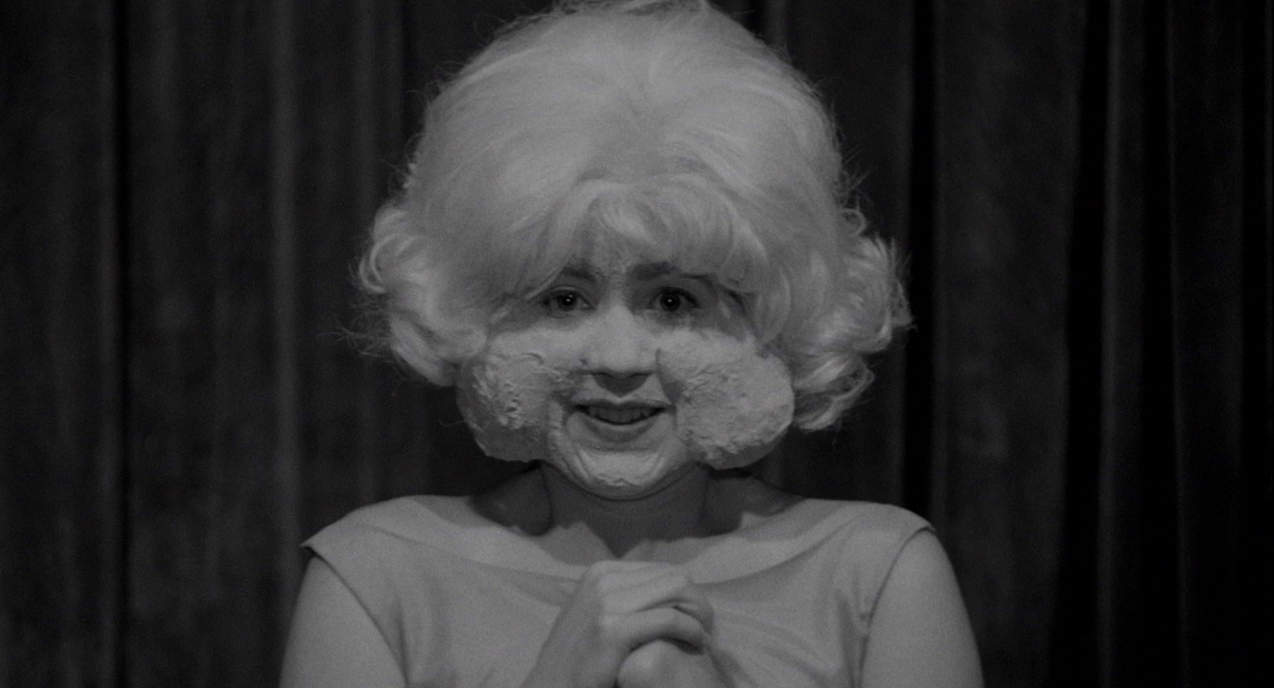
Among the most prominent codes that play a role in meta-cult cinema are parody, pastiche, irony, and related terms such as satire. These modes, to varying degrees, can be understood as forms of intertextuality: where one text refers to another text or, more frequently, to some other texts. This form of intertextual quotation is a crucial element of cult films: if a film is made up of some intertextual references, it becomes a patchwork in which any part of that film can be dislocated from the whole. This process gives rise to the “glorious ricketiness” which is an important quality of the cult film. The self-conscious interrogation of genre conventions is one particular “modality” recurrent across some cult film texts mainly through a display of intertextual, subcultural capital. Parody is a process of reworking a text, or textual elements in a manner that attempts to mock the rework texts. Parody depends on an oscillation between similarity and difference; there needs to be recognizable congruence between the text referred to and the new texts for parody to function but a disparity between the text must be apparent for the parodic effect to be successful. Satire by contrast tends to refer not so much to the mocking of aesthetic forms recurrent across previous text but to social attitude and/or behaviors. The terms need not be mutually exclusive as parodic discourse can also be satiric: for example, an artwork may parody and mock a previous text and also critique social attitudes related to such texts.
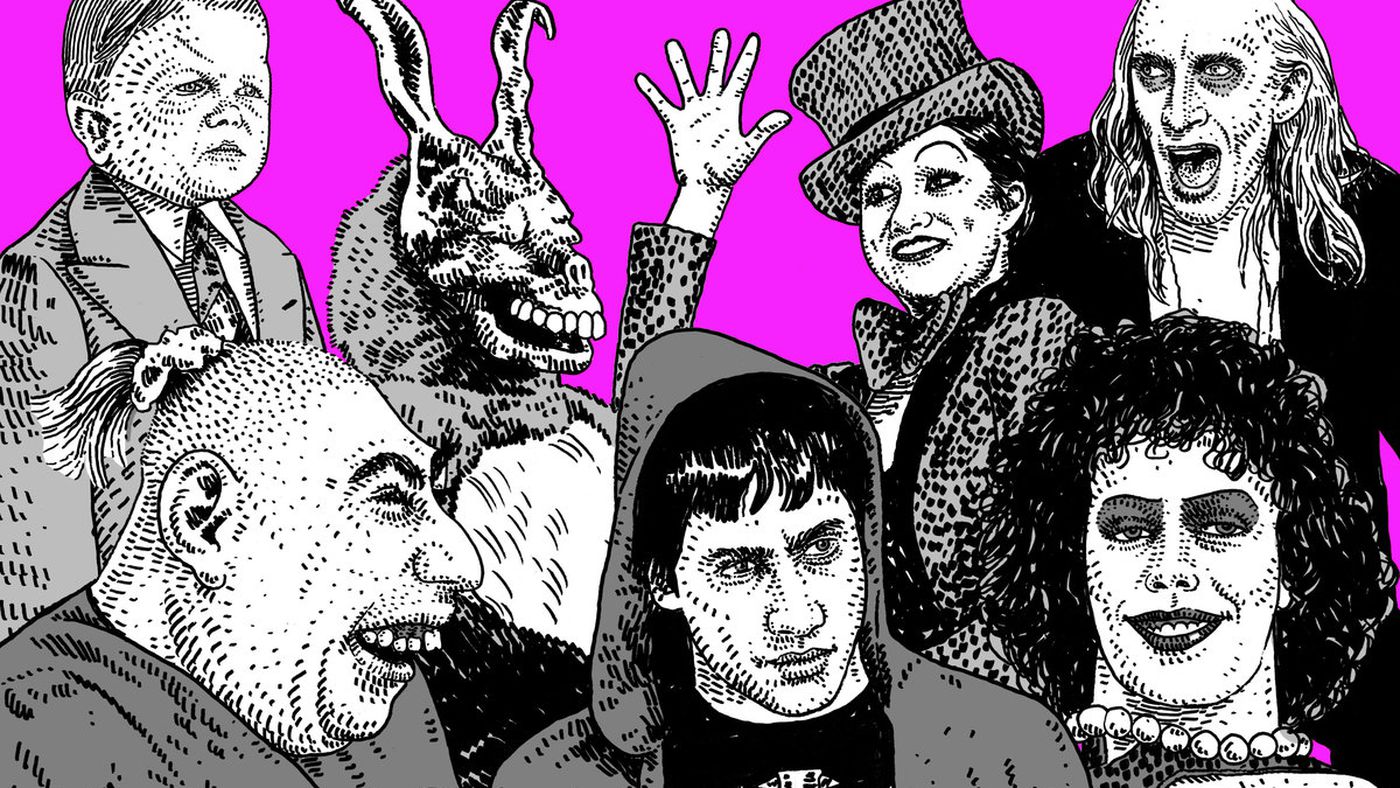
Another concept related to parody is pastiche: like parody, pastiche depends upon the imitation of other text and relies upon the reader to get it to work fully but unlike parody, it doesn’t mock or satirize; it is called “blank parody” in films. Irony refers to a mood of discourse in which an utterance is double-coded: a conventional sentence may be spoken which means something else, but only an initiated film audience will understand this other meaning while the uninitiated may only interpret the plain meaning. Irony overlaps with parody, pastiche, and satire to the extent that all these processes involve transforming conventionalized codes into other codes, an activity that results in the possible recognition of discrepancy between the two codes.
Cinema itself is a medium that has gone through a series of historically significant technological developments, such as the transition to sound films, the widescreen ‘revolution’, and the move to digital. Cult cinema also has been marked by an interest in how technologies impact upon the field, though the majority of technology-focused research in the area has tended to reflect on emergent technological developments; historical investigation of technological change has featured less centrally.

The phenomenon of cult cinema is most often generated by the dual combination of a) textual peculiarities and b) specific audience reading/consumption strategies. While certain films (e.g., Repo Man, Alex Cox, 1984) may be seemingly tailor-made at a textual level to foster instant cult film consumption (with varying degrees of success), a film’s true cult success typically depends upon the reputation and devotional activity of the filmmaker and other factors (e.g., repeated screenings, spectator rituals, obsessive trivia accumulation, etc.) that it garners amongst select film audiences over time. Violence and sexuality of a deviant or perverse variety are generally the key motifs in most cult films, as are other forms of taboo-breaking and transgression that somehow set these films apart as “less accessible” to all tastes (typically through opposition to bourgeois social norms). Often situated both within and against low/mainstream/mass and high/elite/art tastes, cult films are also marked by formal bizarreness and stylistic eccentricity denoting a predilection for considerable excess. Excessiveness and eccentricity are also traits commonly attributed to cult movie buffs, and it is the particular devotion of the cultist.

During the 1970s and into the 1980s there emerged a kind of academic cult around reflexive films. One particular genre that made extensive use of the possibilities of reflexivity is the horror genre. Because of its particularities, we have expanded on this particular application. Reflexivity influenced cult cinema well beyond the horror genre, especially through the influence of the ideas of Brecht.
Among sections of academic film studies, there was an interest in left-wing politics and how the film could be used in a progressive direction. Many academics considered a large percentage of commercial filmmaking ideological in the sense that it represented an illusory world that people were encouraged to become absorbed in for merely escapist purposes. It was against such illusory practices that reflexive strategies became of interest, as reflexivity was a process that drew attention to the film itself and therefore went against the general illusory process at work in many narrative films.
While a filmmaker strives for an impression of spatiotemporal coherence anti-illusionist art calls attention to the gaps and holes and seems in the narrative tissues or films. To the suave continuities of illusionism, it opposes the rude shocks of rupture and discontinuity. While interest in reflexive techniques largely stemmed from a political interest in filmmaking. The 1980s saw a wider interest in reflexive techniques in films with the rise of postmodernism in the academy. As reflexive, intertextual, and irony techniques proliferated it became somewhat difficult to uphold a belief that such techniques were themselves necessarily radical or critical. Some scholars say that the increasing use of irony techniques about consumerist lifestyles within the literature in 1993 was empty rather than critical. Such techniques of filmmaking may have once proved critical devices that drew attention to the hollowness of film culture but these devices have since been appropriated by that very culture: many advertisements for example employ a self-mocking irony.
Likewise, within films the proliferation of parody and irony has led Harries to contend that we now live in a “culture steeped in irony; an era where postmodern film activity has become more the norm that any sort of alternative practice a process he terms “ironic supersaturation”. It is clear then that in an age when parody, irony, and associated modes have become so common such techniques will vary in status and intention: they will not necessarily become cult films but some of them will; they are not necessarily going to be critical of the status quo to the adoption of irony doesn’t render them incapable of criticism.